1. Introduction and Background
outh entrepreneurship is a promising field for employment and poverty alleviation for young people in the developing world. Sub-Saharan Africa (SSA) is a region in the part of the world is expected to accommodate a quarter of the global youth population by 2025 (Africa Commission, 2010). What is notable though is that in this region, more than 80% of the people live in rural areas and most of the rural residents are poor. Recent poverty studies indicate that in this region about 90% of the rural people live on less than US$2/day and the proportion is not expected to decline until the 2040s (International Fund for population of SSA. Majority of these youth live in rural areas and are poor, unemployed, uneducated and Constitute a significant burden to the SSA governments. Without sustainable redress measures to this burden, poverty is likely to continue in this region, and political as well as social unrest is likely to remain rampant. Although several approaches have been adopted by both development partners and Sub-Saharan governments to break the poverty cycle, the incidence of rural youth poverty has persistently remained high and entrepreneurship is seen as one of the remedies to this problem (IFAD, 2011).
Different stakeholders, including scholars, civil society organisations and policy makers have identified entrepreneurship as a tool for improving livelihoods of youths in SSA (Chigunta, Schnurr, James-Wilson & Torres, 2005; Youth Business International, 2011; International Labour Organisation, 2005). It is widely believed that entrepreneurship promises jobs to the youth (Curtain, 2000); provides valuable goods and services to society (OECD, 2001d); and promotes innovation and resilience (White & Kenyon, 2000). Because youths are more likely than adults to be unemployed, entrepreneurship gives them livelihood alternatives, economic independence, and a positive socio-psychology which will integrate them into the mainstream economy (Schoof, 2006;Chingunta, 2002).
Uganda and Kenya are among the many countries in SSA where youth entrepreneurship is receiving significant attention because of its potential to avert the unemployment problem and create economic opportunities for the young people. The effort is reflected in the national development plans of both countries where specific youth development initiatives are emphasized to increase access to business enterprise funds, skills training, and business development services ( Monitor, 2011). Although the youth Y population represents a significance demographic segment (Namara et al., 2010), the unemployment problem is increasing the dependency burden, human resource wastage, poverty deepening and is increasingly becoming a political burden to both governments. For instance, most of the youth in Uganda who fail to get jobs engage in unproductive or anti social activities such as prostitution, theft, drugs and substance abuse, robbery, and un lawful demonstrations (riots) -these crimes are reflected in the 63% of total in-mates being youths. Similarly in Kenya many of the youth remain idle even after formal education for long periods of time. As a consequence, they try their hands in all openings, legal or illegal, with some ending up with deviant behaviour (Kenya National Youth Policy, 2002). Against this background, this paper examines the entrepreneurial environment in which Ugandan and Kenyan rural youth entrepreneurs operate, identifies their challenges, and makes policy recommendations to address these challenges.
2. II.
3. Justification of the Study
Whereas effort has been made to promote entrepreneurship among the youth in these two countries, most of it seems targeted to the urban youth who are a small proportion of the overall youth population. Besides, overall, the concept of youth entrepreneurship has received limited attention and indepth analysis from researchers because youth are often treated as a general homogeneous adult group (Schoof, 2006;Chingunta, 2002). Previous studies (e.g?) have emphasized the differences between developed and developing countries but have not gone further to differentiate rural and urban youth entrepreneurs within countries. However, similar categorizations used at international levels can be applied at a sub-national level to identify unique aspects that may be associated with specific in-country rural environments. Focus on rural settings is important because previous studies (e.g??)
have indicated significant differences between rural and urban areas, especially with reference to the environment of business.
The aspect of business environment is of particular interest in this study because businesses are neither independent nor completely isolated from the internal and external environment within which they operate (Fry, Stoner & Hattwick, 2001). Different environmental factors play a role in the development of entrepreneurship and these factors influence people's willingness and ability to undertake entrepreneurial activities. According to Schoof (2006), the key environmental aspects that affect youth entrepreneurs are five. These include social-cultural attitude towards youth entrepreneurship; entrepreneurship education; access to finance; administrative and regulatory framework; and business assistance and support.
4. Methodology a) Design
We collected the data using a survey approach that combined both quantitative and qualitative approaches. We adopted a cross sectional survey approach because of its strength to gather information that may not exist from other sources. Although we used a qualitative approach in the study, its purpose was mainly to complement the quantitative approach and scholars have indicated that the two approaches can be combined in a single study (e.g. Allen, 1995; Wildermuth, 1993; Amin, 2005; Saunders, Lewis & Thornhill, 2009;Sekaran, 2003).
5. b) Population, Sample size and Procedure
The population of the study was the rural youth entrepreneurs (who are they?). A given place was rural if: its main activity was not secondary or tertiary production but primary production; it did not have district administrative headquarters; it did not have a single population with amenities such as electricity, schools, financial institutions, health centers, etc within the same specific area. The Uganda Bureau of Statistics (2002) defines a youth as young adult aged 18-30 years. However, the Kenya National Youth Policy (2002) defines a youth as one aged between 15 -30 years. The exact population of rural youth entrepreneurs was not available from statistical records in both countries by the time of the survey. However, according to Krejcie & Morgan (1970), a sample of 384 is sufficient for any population above 100,000. In this study we used a sample of 1027 respondents split almost equally between the two countries.
To select the respondents, we used a multi stage sampling method. Each country was split into four regions (central, east, north, and west). From each region, we selected three districts based on two reasons -security situation in the district and existence of government programmes for the youth entrepreneurs. In each region we selected three districts which made a total of 24 districts in both countries. In each district we selected one sub-county and a parish using simple random sampling method, using the latest topographic maps. From each parish we selected three villages using probability proportional to size. To be able get to the specific village, we worked with the district top leadership which guided us to the local leaders who provided security clearance, additional information about the villages and played a role facilitating entry into the villages (in some villages we could not be allowed access without clearance from the local village authorities). A total of 15 rural youth entrepreneurs were then selected from each village with emphasis on gender balance and variety of trades, i.e. we made deliberate effort to include diverse business owners. In instances where a given village did not have any youth entrepreneur or the sufficient number required, we moved onto the next village with assistance from the local guides. We obtained a total of 45 rural youth entrepreneurs from each district.
6. c) Data Collection
We collected primary data over a period of three months, from May 2011 to August 2011. The data mainly came from primary sources where we used questionnaires with both closed and open ended questions; interview guides and checklists. We administered the questionnaires by ourselves in a such a way that each research member engaged the respondent face to face to maximize the response rate (Frankfort-Nachmias & Nachmias, 1996). We used this method to gather data on the environment of business, business activity, and challenges of the youth entrepreneurs. In addition, we conducted four in-depth interviews with youth entrepreneurs in each region, making a total of 32 in-depth interviews in both Uganda and Kenya. We identified the participants for the interview based on the nature of business activity (the diversity was a major selection criterion) they were engaged in. We also gave special consideration to size of enterprise by considering a mix of both micro and small enterprise owners. We conducted interviews to obtain detailed information about the environment of business, specific and challenges of the youth entrepreneurs. Such information could not easily be obtained with the questionnaire. We also used Focus Group Discussions to further generate ideas and collective opinions from youths in different sectors. In each region we conducted one FGD with the youth entrepreneurs. In the FGD, there were between 8-10 participants at a time. These participants represented most of the trades on the village.
To further enhance the data set we conducted interviews with experts. These were people who worked in government, non-government organizations, private enterprises, financial institutions and academia and had accumulated a vast repository of knowledge regarding rural youth entrepreneurship through directly interfacing with these entrepreneurs. We conducted expert interviews after the field survey of youth entrepreneurs to be able to share youth opinions and issues and generate meaningful conclusions and solutions. Here, we gathered more in-depth information on specific environmental aspects that affected youth entrepreneurship. .
7. d) Operationalisation and measurement of variables
In this study we measured the concept of environment of business using the modified version of Stevenson & Lundstrom (2002) through the late 1990s in more than ten countries as a practical, integrated approach for supporting the start-up and growth of women-owned enterprises in underdeveloped regions. The same framework was used to study entrepreneurs in Uganda, Kenya, Ethiopia and Tanzania. These studies confirmed the validity of the framework (Stevenson & St-Onge, 2005). The aspects of the framework which we adopted included the regulatory and legal environment; enterprise education and training services; access to credit; Business Development Services; access to business networks; access to premises and technology; and access to markets. According to Stevenson & St-Otenge (2005), an assessment of the gaps and opportunities in these areas of the Integrated Framework enables the formulation of an informed set of policies and programme measures to remove barriers to the start-up and growth of entrepreneurs; improve access to markets; improve access to economic resources; strengthen social protection and social inclusion; and create a more favourable environment for entrepreneurs. We studied and adjusted items from the Stevenson & St-Onge (2005) study of the environment of growth oriented women entrepreneurs in Uganda. However, we also added other items which were used in other empirical studies and recommended by existing theory.
8. Global Journal of Management and Business Research
Volume XIV Issue III Version I Year ( )
9. G
To avoid common method bias which is common in cross sectional studies (Spector, 2006), we used different scales, where some were dichotomous while others were likert and ratios (see appendix for questionnaire).
10. e) Validity and Reliability
Validity is one of the concepts used to determine how good an answer provided by the research is; that is, the ability of the instrument to produce findings that are in agreement with theory. To ensure validity of the instrument, we adopted and revised instruments that had been used previously in related studies in the developing world. The adjustment was further informed by theory which was complemented by expert reviews and opinions. We therefore did not have to test construct validity. Reliability deals with the ability of the instrument to generate consistent results. The instrument used had been tested for reliability in previous studies. However, we conducted a pilot study on 150 respondents and tested the results for reliability. The instrument was reliable. To ensure that we further obtained higher reliability, we hired research assistants that could competently speak most of the languages spoken in each of these countries. Most of the assistants had previously worked with the Global Entrepreneurship Monitor surveys. We however trained them for three days, and we interpreted all items into vernacular and rehearsed the instrument before actual fieldwork. We made sure that each team of research assistant was accompanied by a senior researcher who checked each questionnaire for completeness and accuracy on each enumeration area before proceeding to another enumeration area. f) Data Analysis i. Quantitative Analysis All filled questionnaires were checked for completeness before they were entered into the SPSS (19) software for analysis. A filled questionnaire was entered into the software if it had over 75% of the items answered (Sekaran, 2003). A missing value analysis (MVA) was then performed to establish whether the missing values were missing at random. MVA was also performed to avoid committing Type I and Type II errors, and to increase statistical precision. The EM (Expectation-maximisation) method was used to perform MVA. All MCAR results were significant (p<0.05) implying that there was no need to replace the missing data. In instances where extreme values existed, we excluded them from the analysis to avoid having biased results. Because the study is a comparative, we use mostly comparative bar graphs, charts and tables to present the findings.
analysis. Using this method, we compared and contrasted data from different participants and the process continued until the researchers were satisfied that no new issues were arising. They kept moving backwards and forwards between transcripts, memos, notes and the research literature (Tere, 2006).
11. IV. Key Findings on Rye Country Comparisons
a) Demographic factors i. Gender
The demographic representation of the young entrepreneurs based on the two countries shows that a total of 59% and 53% of the sample from Uganda and Kenya were male while 41% and 47% were female respectively (see table 1). In Kenya these figures come as no surprise as they are reflective of the total youth population based on gender. Of the total youth population in Kenya 51.7 percent are female youth with as high as 60% forming the total labour force. Despite this, opportunities are very scarce to absorb them in the job market (Kenya National Youth Policy). This could explain their decision to opt for self employment.
On the other hand, although the overall population in Uganda has slightly more women 51.2% than men, 48.8% (UBOS, 2003), this statistic was not reflected in the youth and gender entrepreneurial activities among the rural youth in this study. The dominance of male youth in entrepreneurship activities may imply that male youth generally could be favoured by the environment. In rural areas where this study was conducted, girl children are usually very protected by their parents and are rarely allowed to live on their own because of fear that men can easily impregnate them. Besides, girl children are culturally conditioned to provide support in the domestic work which gives them little time to participate in income generating activities. Some studies on women in Uganda have shown that women generally are restricted to domestic work and are thus restricted from participation in gainful economic activities (Munene, Schwartz and Kibanja, 2005; Snyder, 2000). The Uganda National Development Plan (2010/11-2014/15) reveals that women are generally discriminated and are not economically empowered. The current study seems to support these studies.
12. ii. Education
We found that only 29% of the young entrepreneurs in Uganda had completed lower secondary education as compared to as high as 65% in Kenya. This difference could be explained by the varying enrollment figures and dropout rates in both countries as describe d by their national policies. In Kenya by and 93% for boys in 2006 but the completion primary school rates were as low as 53% for boys and 42% for girls (NDP, 2010/11 -2014/15). And by age 18, only 30% of girls are still in school in Uganda (Uganda Demographic Household Survey, 2006). The high dropout rate for girls is attributed to lack of sanitary facilities, early pregnancy, sexual harassment, and poor performance in class.
iii. Marital status Majority of the rural youth entrepreneurs in Uganda were married (62%) as compared to Kenya (47%). We further found that 67% of the Ugandan RYE had between 1-5 children compared to 51% in Kenya. These high percentages of marriage and children among youth in Uganda may be explained by high teenage pregnancies which stand at 25 percent (NDP, 2010/11 -2014/15). All these are partly because the youth exhibit early sexual debut averaged at 16 years for girls and 17.6 years for boys (Uganda Youth Policy, 2001). However, this study reveals that about 46% of the Ugandan RYE headed their households as compared to 59.6% of the Kenyan RYE. Source: Primary data V.
13. Comparison of the State and Perceptions of Rye Business Environment a) Age of enterprises and previous activities the entrepreneurs engaged in
There were similarities between Ugandan and Kenyan young entrepreneurs with respect to the age of their enterprises as illustrated in Table 2. Almost half of the enterprises in both countries were new businesses (1-3 years), while a third were established businesses (> 3years) and 18% were start up. These results are not surprising given the young age of the entrepreneurs.
Generally, the entrepreneurs were all engaged in some activity before starting a business. Almost a third of the youth in Uganda were originally business owners in self employment or students, "I started with selling tomatoes that I had grown in my garden and then when I had saved up money I bought a sewing machine and I am now the only tailor in this village. Which brings in more money" (Ugandan Youth) Some of the RYE that were interviewed went on to explain why they left the activities they were engaged in prior to starting their business "Before starting this business I was a student but after my secondary exams my parents could not afford to pay for my university education. Given that my education level was very low I could not find employment so I started this brick making business." (UgandanYouth). Education constrains entrepreneurship in rural areas? Someone would want to know whether the educated are more of entrepreneurs or mere job seekers, and where the problem could be. And could there be a difference between the two countries? What lessons to learn.
The failure of some of the RYE to get into employment even after receiving basic secondary education could be explained by an acute lack of information on available employment opportunities especially for less educated or youth without specific skills (Namara et al., 2010). This is coupled with the fact that even for those who are more educated employment is limited. MGSLD (2006) noted that Youth unemployment is still unacceptably high whereby Similarly, in Kenya one third of the RYE were previous students. As is the case for Uganda, the economic growth rate in Kenya has not been sufficient enough to create productive employment opportunities to absorb the increasing labour force of about 500,000 annually. Most of these are the youth and only about 25% are absorbed, leaving 75% to bear the burden of unemployment. Further, some of those absorbed are doing jobs that do not match their qualifications and specialization (Kenya National Youth Policy, 2002).
14. b) Method of business acquisition
Findings reveal that 92% of the youth in Uganda as compared to 86% in Kenya started their own enterprises, with 72% and 75% respectively for both Uganda and Kenya saying that this was their first business. The fact that for both countries an alarming percentage of RYE had started the business on their own rather than buying or inheriting it, lends credence to research findings on most developing countries having necessity driven entrepreneurs than opportunity driven entrepreneurs (GEM Uganda Executive Report, 2003Report, & 2004;;Acs et al, 2005). Although these studies have looked at the entrepreneurial population in general and not Youth in particular, given that majority of the overall population in both countries is young, it can still be assumed that most youth are necessity entrepreneurs. This is also supported by the fact that in Kenya there are many young women and men that are engaged in casual or temporary terms of employment with poor salaries and low, if any, social protection (ILO, 2007). Similarly, there are many factors holding the youth back in Uganda, notably lack of a standard minimum wage and favourable terms and conditions of service at work places. Although this affects the entire working population, the youth are more affected partly because they lack experience and therefore the confidence to negotiate better terms and without adequate legal protection they are taken advantage of by employers who exploit them (Namara et al., 2010). These challenges coupled with low tertiary enrolment force the RYE to start their own businesses in both countries.
was not profitable. The high business closure rates among Youth in Uganda are not much different from the closure rates for the rest of the population. In a 2003 study Uganda was ranked first among all GEM countries in business closures (30%).
15. d) Employee Status
Findings in Table 3 revealed that, 81% of the RYE in Uganda did not employ anybody in their enterprises as compared to 66% in Kenya. And of those who employed, only 20% of the Ugandan RYE employed family members in their businesses and 16% and 19% employed at least 3 full time and part time employees respectively. In comparison, only 2% of the Kenyan RYE employed family members in their businesses and 15% and 5% employed at least 3 full time and part time employees respectively. We may make two inferences from these statistics. First that the high percentage of RYE in Uganda that do not employ anyone in their enterprises is representative of the size and nature of their business. These findings are similar to Bagonza (2003) who found that majority of the businesses owned by Youth in Uganda are micro enterprises. Secondly, that despite Kenya and Uganda having similar social and cultural backgrounds (Okabe, 2010), Ugandans have stronger family ties and attachments than Kenyans as is seen in their willingness to hire family members.
Comparative Assessment of Rural Youth Entrepreneurs in Uganda and Kenya This study reveals that 48% in Uganda as compared to 20% in Kenya of those who previously owned businesses had closed them. The main reason for closure in Uganda was loss of interest (46%) in the business as compared to (44%) in Kenya because it VI.
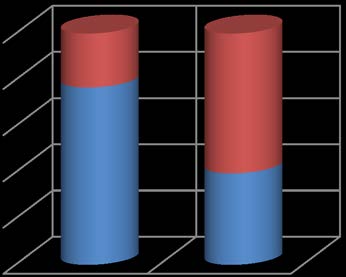
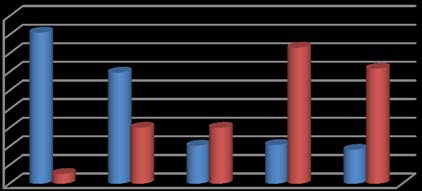
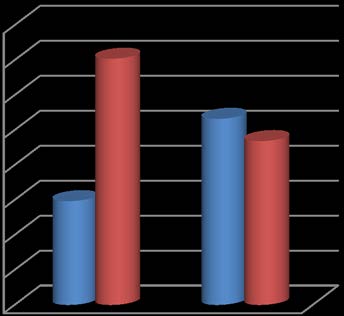
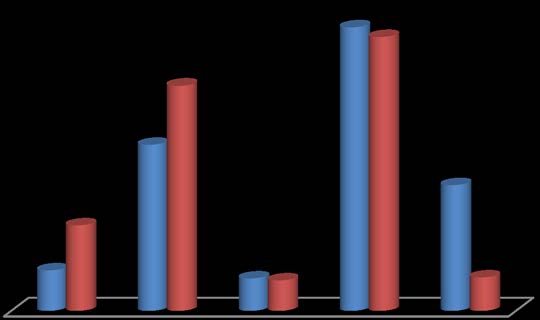
Registration Figure 1 shows that while in Uganda majority of rural youth entrepreneurs (78%) operated unregistered businesses, in Kenya most rural youth entrepreneurs (76%) owned registered businesses. This difference is possibly accounted for by variations in customer perceptions. Whereas in Kenya operation of unregistered businesses is commonly associated with trick-stars and fraudulent people, and therefore customers often avoid dealing with such businesses, in Uganda society does not seem to mind much about registration. Other research in Kenya (Stevenson & St-Onge, 2005) indicates that two thirds of MSEs in Kenya are located in rural areas and only 11.7 percent of MSEs are registered. However, the current study gives a different proportion of registered enterprises, suggesting an improvement in policy environment. In Uganda, there are excessive bureaucratic procedures and expenses associated with formal registration (International Youth Foundation, 2011) which discourage youth from registering their businesses. Such bureaucracy increases the total time it takes to complete the procedures to start a business and it is worse for entrepreneurs outside of Kampala where it takes 40 -61 days to register a business compared to 25 days inside Kampala (Private Sector Foundation of Uganda, 2010). There are 254 different regulatory approvals including licenses, permits, registrations and regulatory certificates required for businesses in different sectors to operate. Some businesses have to obtain up to 10 regulatory approvals, visit up to 5 different institutions or obtain up to six different approvals from the same institution (Private Sector Foundation of Uganda, 2010). Although the statistics between the two countries differ, there is evidence that in Kenya issues have to do with complexities and costs involved in registering business names, obtaining licenses, and obtaining legal title to business sites are still rampant ( not perceive any benefits accruing to business registration (25% and 35% respectively). However, among the youths who perceived some benefits, majority were from Kenya (27%) while most of the youths who did not know whether registration had benefits were Ugandans (27%). These findings, especially the last one suggest some degree of ignorance among Ugandan youths regarding business registration. The study also aimed at comparing the perceptions of both Ugandan and Kenyan youth entrepreneurs regarding rights to own property compared to urban youth. The results summarized in figure 3 show that generally in Uganda up to 77% of the youth felt had equal rights as the urban youth. Compared with the Kenyan youth who largely felt did not have equal rights as the urban youth, the perceptions of Ugandan youth were positive. These differences could reflect the extent of information dissemination about property rights in both countries. The study further aimed at comparing rural youth perception of commercial justice. Figure 5 reveals that there were marked differences in both countries regarding this aspect of business. Whereas majority of Ugandan rural youth believed that commercial justice existed in Uganda and favored youth in times of business disputes (about 80%), in Kenya there were very few rural youth that believed justice existed. Up to almost 65% of the rural youth in Kenya perceived existence of commercial injustice which disfavored the youth. These differences may reflect differences in reforming of justice systems in both countries. As seen from figure 6, in Uganda almost 70% of rural youth entrepreneurs had never received any business skills training. In Kenya however, the proportion of youth that had received training was almost equal to those who had not received. To some degree therefore, Kenyan youth seemed to have received more business skills training than their Ugandan counterparts. The key question then was the kind of training they had received. In both countries, it is revealed that rural youth did not use formal financial institutions, SACCOs and microfinance institutions to obtain finance for their businesses. This finding may be explained by the remoteness of rural youths that this study interviewed. However, the youth claimed not have the required collateral for securing financial assistance. The use of own savings and failure to borrow due to lack of collateral may suggest something negative about the profitability and growth potential of rural youth enterprises.
16. c) Social networks
A comparison on belongingness to social networks revealed that in both countries half of the rural youth entrepreneurs belonged to associations. For nonmembers, reasons varied. In Kenya it was "I don't want" while in Uganda it was "I don't know where". Focusing on the benefits of social networks, figure 8 shows that more than 64% of rural youth entrepreneurs joined social networks for financial support. A few of them cited benefits relating to information and ideas as well as social support. The predominance of financial support indicates the stronger needs for finance among rural youth in both countries, suggesting a need for deliberate interventions. Such interventions are needed because financial institutions and MFIs seem less interested in lending to rural youth.
17. VIII. Conclusion and Recommendations
Findings reveal that there are differences among RYE in both countries in the demographic aspects of gender, level of education, marital status and household headship. Nevertheless there are similarities when it comes to RYE perceptions of the business environment especially in terms of how they acquired their business, understanding the benefits of business registration, property rights and Justice perceptions. Findings also revealed that both countries shared some challenges like high business closure rates, limited access to funding and business skills training; while other challenges were country specific such as having unregistered businesses in Uganda which may be attributed to the bureaucratic procedures associated with registering a business and the ignorance of registration benefits. There is also limited representation of women low levels of education among the RYE in Uganda. Whereas, in Kenya RYE challenges include high business closure rates and commercial injustice.
This research therefore provides several important implications for practice. Broadly, it highlights the strategic value of viewing RYE as contributing to economic development. That is, it is neither enough for advocates of youth empowerment to focus on advancing their rights, nor is it sufficient for them to design youth policy regarding entrepreneurship based on a need to meet the millennium development goals, although both are beneficial independently. Rather, they must balance their efforts to ensure that they develop an enabling environment that will encourage business start ups and support and grow existing businesses among the rural youth. This may be done by facilitating linkages between RYEs and financial institutions, successful business mentors and providing them with the requisite soft skills training and business advisory services.

| Some of the | ||||
| identified challenges include lack of providers of | ||||
| business advice, training, guidance and specialist | ||||
| access to finance exclusively to young people, lack of | ||||
| access to professional mentors, and lack of access to | ||||
| business networks (Schoof, 2006; YBI, 2011). These | ||||
| challenges highlight the unique environmental | ||||
| constraints to youth entrepreneurs but these constraints | ||||
| maybe compounded for rural youth entrepreneurs who | ||||
| operate in societies that are characterized by limited | ||||
| access to markets, information, finance and advisory | ||||
| services. It may be true that what is often reported in | ||||
| research are views of urban or semi-urban youth | ||||
| entrepreneurs without paying specific attention to the | ||||
| underprivileged | and | vulnerable | rural | youth |
| entrepreneurs. | ||||
| III. | ||||
| Demographics | Uganda | Kenya |
| Gender | Uganda | Kenya |
| Male | 59% | 53% |
| Female | 41% | 47% |
| Marital Status | ||
| Married | 62% | 47% |
| Single | 32% | 51% |
| Nos. of Children | ||
| None | 29% | 48% |
| 1-5 | 67% | 51% |
| Head of Household | ||
| Yourself | 46% | 59.6% |
| Spouse | 24% | 24.3% |
| Highest level of Education | ||
| Completed primary | 51% | 16% |
| Completed O' level | 29% | 65% |
| Nature Of business | UGANDA | KENYA |
| Age of business | % | % |
| Start up ( < 1 year) | 18 | 18 |
| New business (1-3 years) | 48 | 49.7 |
| Established business ( > 3 years) | 34 | 33 |
| Former activity before entrepreneurship | % | % |
| Self employment | 29 | 17 |
| Employed in informal sector | 14 | 22 |
| Student | 28 | 33 |
| Employment |
| Comparative Assessment of Rural Youth Entrepreneurs in Uganda and Kenya | |||
| 78% | 76% | ||
| 80% | |||
| 70% | |||
| 60% | |||
| 50% | Registered | ||
| 40% | 22% | 24% | Unregistered |
| 30% | |||
| 20% | |||
| 10% | |||
| 0% | |||
| Uganda | Kenya | ||